 Skip to content
Choosing the right injectable certification can shape how quickly you build skills. It can even expand your opportunities in aesthetic medicine. While Botox and dermal fillers are both in high demand, they require different techniques, training, and clinical knowledge. As such, understanding how these certifications compare can help you invest in the training that best aligns with your experience level and career goals.
Choosing between Botox and dermal filler certification should be based on certain factors. These may refer to your experience level, confidence with facial anatomy, and career goals.
Botox certification is often a practical starting point for beginners since it focuses on muscle movement, dosing, and foundational injection techniques. On the flip side, a dermal filler certification may require a deeper understanding of facial structure, volume restoration, and advanced treatment planning.
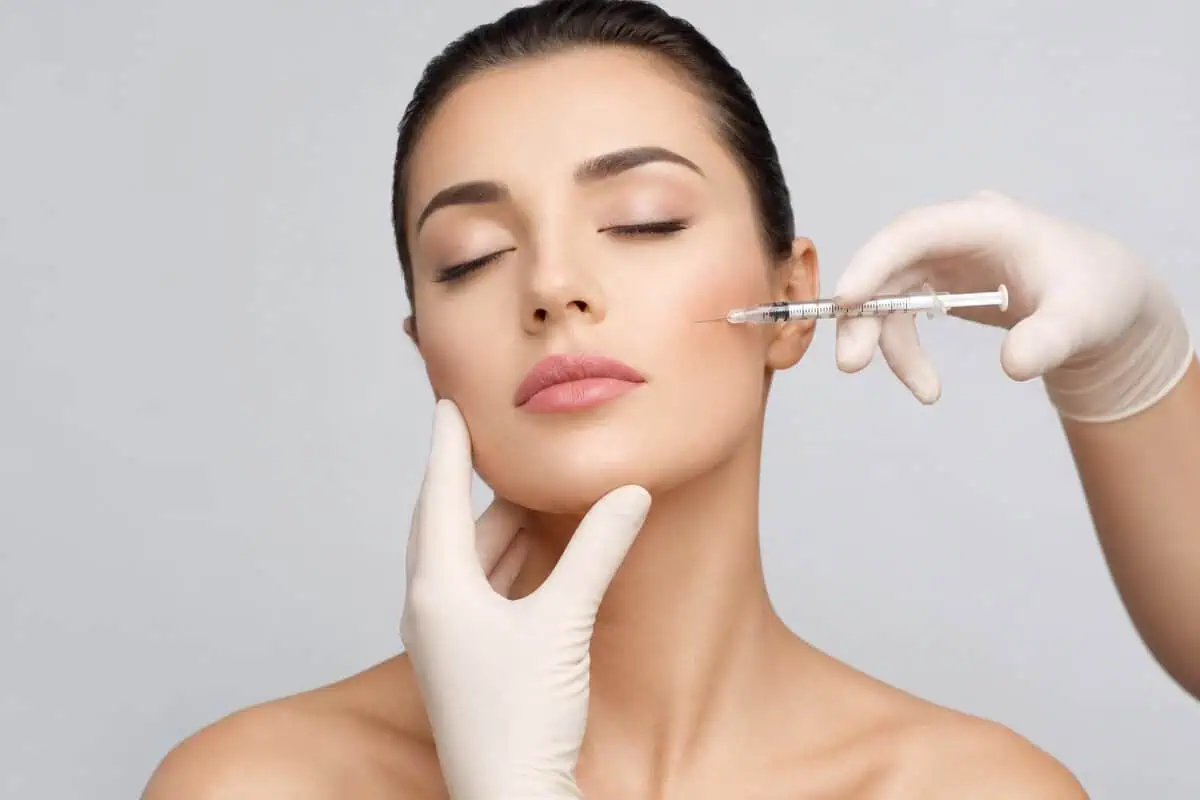
Botox is classified as a neuromodulator. It is renowned for temporarily relaxing targeted facial muscles. These are known for contributing to the appearance of expression lines. This injectable is commonly used to treat forehead lines, frown lines, crow’s feet, and chin dimpling. In several cases, Botox can address other concerns related to repeated muscle movement.
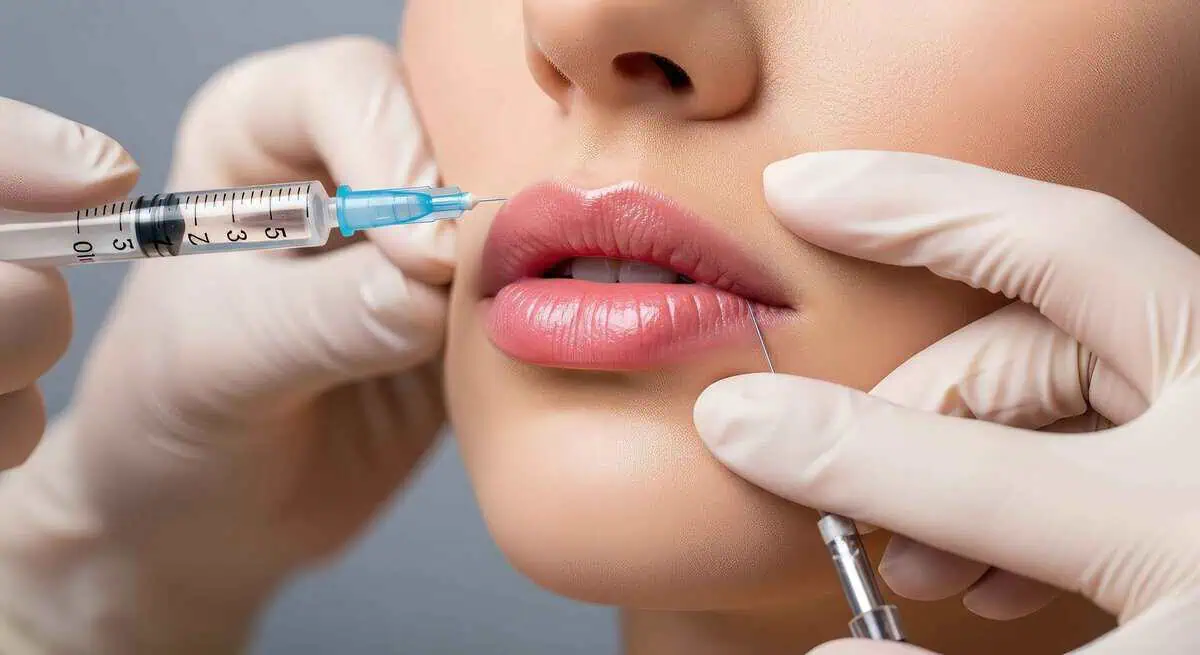
Dermal fillers, on the other hand, work in a different manner. Instead of relaxing muscles, fillers can add volume, shape, or structural support beneath the skin. They may be used for the lips, cheeks, chin, jawline, nasolabial folds, and areas where volume loss affects facial balance.
Such a distinction matters because each treatment asks the injector to think differently. Botox training often centers on muscle movement, placement, dosing, and symmetry. Filler training requires close attention to facial structure, depth, product selection, vascular safety, and how small changes can affect the overall face.
Many new aesthetic providers start with a Botox certification course because the treatment plan is usually more controlled. The injector studies muscle activity, learns common treatment patterns, and practices careful dosing based on patient needs.
Botox is not easy. Thus, it should never be treated casually. Still, the concepts may feel more manageable for beginners because the treatment areas are often more standardized than filler areas. A provider can focus on facial assessment, patient consultation, injection landmarks, and safety protocols before moving into more advanced aesthetic planning.
Some providers may choose dermal filler training before Botox. Such an option may be practical if they already have clinical injection experience or strong knowledge of anatomy. This may include medical professionals who feel comfortable with hands-on procedures and want to focus on facial contouring, lip enhancement, or volume restoration.
Filler training can be valuable, but it often comes with a steeper learning curve. Providers must understand not only where to inject. They should also be able to identify why a certain area needs support, how much product is appropriate, and which technique fits the patient’s anatomy.
For many beginners, filler certification feels more appropriate after they already understand basic injectable workflow and patient assessment.
Many programs offer Botox and filler certification in one course or training series. This can be convenient for licensed medical professionals who want a broader introduction to cosmetic injectables.
The advantage is that students can learn how the two treatments complement each other. Botox may soften movement-related lines, while fillers may address volume loss or contour concerns. The challenge is that combined training can feel like a lot of information at once. A student may learn neuromodulator dosing in the morning and filler technique later in the day, then need time to process how different the two skills are.
A combined course can be a good option if it includes enough hands-on practice, small class sizes, and instructor feedback. Without those elements, it may feel more like an overview than true skill-building.
A strong cosmetic injectable course should do more than explain treatment areas. It should also teach students how to think through real patient situations.
Look for training that includes facial anatomy, consultation skills, product knowledge, treatment planning, injection safety, and complication management. Hands-on practice is especially vital because injectables cannot be learned through theory alone.
Students should also consider the learning environment. A crowded class may limit individual feedback. A rushed schedule may not leave enough time for questions. Supportive instruction matters, especially for students who are new to aesthetics and need space to build confidence.
The right starting point depends on your background, your goals, and how you learn best. There is no single path that works for every student, but understanding what each certification introduces and demands can help you make a more confident decision about where to begin.
Botox certification may be the more practical first step if you are:
Dermal filler certification may be the better first choice if you:
Taking both certifications together can work, but only under the right conditions:
For students searching for injectable training in Houston, TX, La Vida Laser & Aesthetics Institute offers a local training option with a student-centered approach. The institute is known as a top aesthetician school in Houston and provides state-approved courses designed to help students get trained, certified, and ready to pursue work in the medical and laser aesthetic field.
Our team places emphasis on more than technical education. Its approach focuses on creating a caring and supportive learning environment where students are known by name. That kind of individual attention can matter when learning treatments that require focus, precision, and professional responsibility.
Students comparing programs may appreciate the school’s commitment to academic, personal, and professional success. In a field where confidence builds through instruction and mentorship, a supportive setting can make the training experience feel more personal and less overwhelming.
Many beginners start with Botox certification because it focuses on muscle movement and injection fundamentals before advancing to more complex filler treatments.
Yes, many programs offer combined training that allows students to learn both treatments during the same certification course.
Yes, Botox targets specific facial muscles while dermal fillers require techniques that restore volume, shape, and facial contours.