 Skip to content
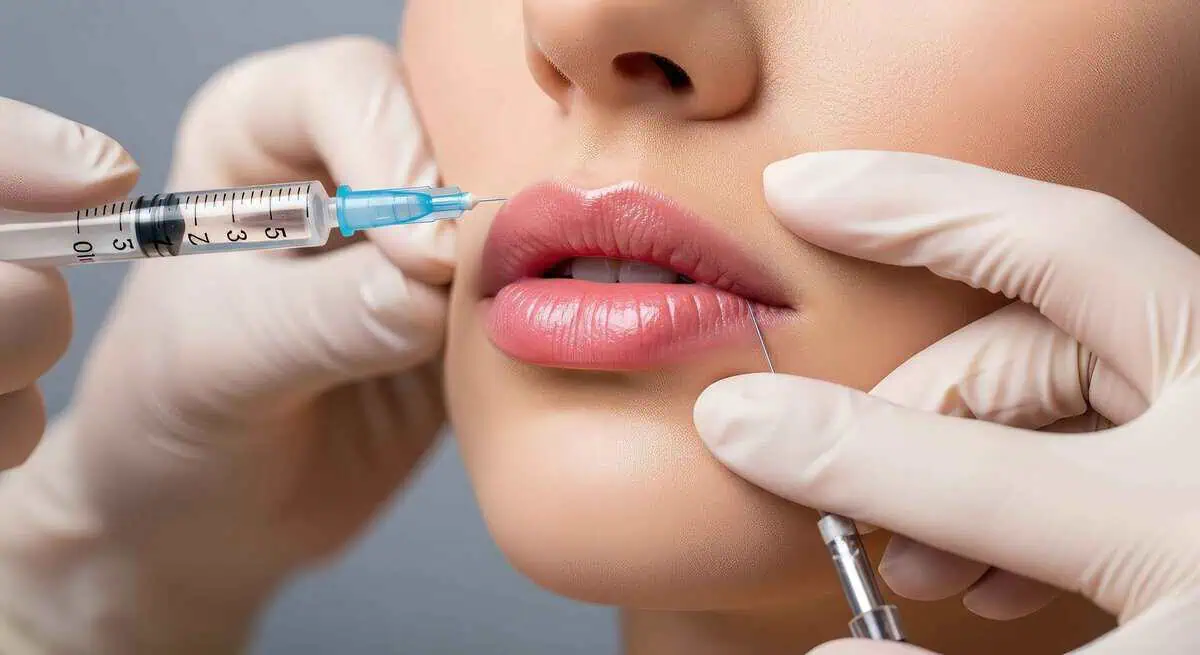
Lip filler treatment can look simple from the outside: assess the lips, place filler, and refine the shape. In practice, each injection requires decisions about anatomy, product behavior, technique, patient goals, documentation, and possible complications. Professional lip filler training should therefore focus on more than where to place a needle.
For medical professionals researching a lip filler course in Houston, the useful question is not simply how many techniques are demonstrated. A stronger course teaches students how to think through treatment from consultation to follow-up, including when a proposed approach may not be appropriate.
Professional Lip Filler Training typically covers lip and facial anatomy, patient assessment, treatment planning, filler properties, injection techniques, safety protocols, complication management, documentation, and aftercare. Many courses also include supervised hands-on practice so students can apply these concepts while learning how to make informed clinical decisions for different lip shapes and treatment goals.
Good lip work begins with observation. Two patients can request the same result while having different lip proportions, tissue characteristics, asymmetries, previous filler history, and facial features. Training should help students assess those differences before choosing an injection plan.
A professional course may review lip and perioral anatomy, vascular structures, tissue planes, and common landmarks. Students need to connect anatomy with practical choices such as injection depth, entry points, product placement, and areas that require extra caution.
This assessment-first approach also helps separate dermal filler injector training from technique-only instruction. Students learn to build a plan around the person in front of them instead of reproducing the same lip shape on every model.
A structured program usually combines clinical knowledge with practical application. Curricula vary, but these seven areas offer a useful way to evaluate options regarding lip injection training in Houston.
A live model session requires students to connect classroom information with real-time decisions. The student must assess the lips, discuss a plan, prepare the area, choose an approach, and respond to the tissue rather than follow a diagram step by step.
Supervision allows an instructor to correct hand position, injection angle, pacing, product placement, or treatment planning as the student works. This gives filler injector certification training a practical component that online theory cannot provide.
A certificate documents course completion, but independent practice also depends on licensure, scope-of-practice rules, medical oversight requirements, and continued skill development.
Injecting is only part of the appointment. Providers also need to explain expected swelling, temporary tenderness, aftercare, potential risks, and situations that warrant follow-up. Clear communication helps patients understand what treatment can reasonably accomplish.
For someone comparing programs on lip filler certification in Houston, attention to documentation is another useful indicator. Records may include medical history, consent, treatment areas, product information, technique notes, and post-care guidance.
The strongest course is not necessarily the one that teaches the largest number of injection patterns. A useful program should help students connect assessment, anatomy, product selection, technique, safety, records, and communication into one clinical process.
Reviewing those elements makes it easier to compare programs based on what they actually teach rather than relying only on a course title or certificate.
At La Vida Laser & Aesthetics Institute, we offer lip filler training in Houston, TX through our Dermal Filler Professional Injector Training: Lips course. Our current program includes eight total hours: four hours of self-paced online theory followed by four hours of in-person clinical training in Houston. The online portion covers lip anatomy and physiology, filler types and rheology, injection techniques, lip mapping, patient safety, complication management, and pre- and post-treatment care.
During the in-person portion, our team will review course material, provide an instructor demonstration, and supervise hands-on practice on a live model using one syringe of dermal filler. Our published curriculum also includes consultation, laws and regulations, charting, informed consent, protocols, and treatment considerations. Eligibility requirements apply because this is advanced medical-level aesthetics training, and graduates remain responsible for following applicable state regulations and scope-of-practice requirements.
Professional lip filler training commonly covers anatomy, patient assessment, filler properties, injection planning, techniques, complications, documentation, and aftercare.
Many professional programs include supervised hands-on practice, although the format and amount of clinical training vary by course.
Eligibility depends on the training provider, professional license, state rules, and the scope of practice that applies to the student.